

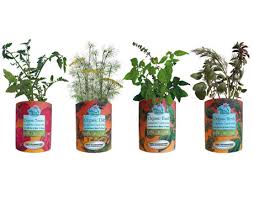
Organic herbs are cheaper and safer for both you and the environment. The rising demand for organic herbs stems for the growing awareness of how large scale corporate farming practices are doing damage not only to our bodies but also to our environment. The common barrier in the past to large scale demand for organic foods has been due to the price being cost prohibitive.
As with all things economic this has been a supply and demand issue. Now that the rising awareness of personal health and environmental has gotten our attention the demand for organic foods has gone up. As time passes the growth will accelerate dramatically when health conscious people push the subject into mainstream thinking.
As with all things economic this has been a supply and demand issue. Now that the rising awareness of personal health and environmental has gotten our attention the demand for organic foods has gone up. As time passes the growth will accelerate dramatically when health conscious people push the subject into mainstream thinking.
The best choice for purchasing organic herbs is to buy from small scale local family farmers. The fact that small local organic herb growers have greater control over their growing practices (pesticide use) and have virtually no potency reducing transportation times (environmental pollution) ensures that the long term dangers to the nations health is reduced.
Small family operations typically have a greater environmental protection mindset due to the fact that the land they grow on is their valued personal property. The higher prices come from the supply and demand continuum. Slower and smaller production ensures higher prices. All commerce is a matter of economics when buying in bulk. Larger growers have discounted pricing but result in larger indirect costs of health problems as a result of the corporate farming practices.
Large scale farmers tend to focus on one or two herbs and grow the same ones on the same soil over and over while never allowing the soil to replenish its nutrients through other crop growth and/or resting the soil. The fact of poor nutrition and environmental pollutants leading to disease give credence to the importance of what should be a very simple choice when purchasing organic foods. Additionally you must consider the time issue. Buying locally ensures that the product is properly dried and not sitting on railroad cars or trucks while in green state and going though the dying time in the presence of road pollutants and pest laden railroad cars.
Small family operations typically have a greater environmental protection mindset due to the fact that the land they grow on is their valued personal property. The higher prices come from the supply and demand continuum. Slower and smaller production ensures higher prices. All commerce is a matter of economics when buying in bulk. Larger growers have discounted pricing but result in larger indirect costs of health problems as a result of the corporate farming practices.
Large scale farmers tend to focus on one or two herbs and grow the same ones on the same soil over and over while never allowing the soil to replenish its nutrients through other crop growth and/or resting the soil. The fact of poor nutrition and environmental pollutants leading to disease give credence to the importance of what should be a very simple choice when purchasing organic foods. Additionally you must consider the time issue. Buying locally ensures that the product is properly dried and not sitting on railroad cars or trucks while in green state and going though the dying time in the presence of road pollutants and pest laden railroad cars.
So, in my opinion the small organic grower is no more costly than the large corporate grower when you factor in these unseen long term expenses. That nagging factor of environmental damage costs and likely future medical costs from poor nutrtient density of corporate growers seems to level the field of pricing between large growers and small local growers.
Due to that fact that large scale growers aren't able crop rotate their land the disease resistance factor in the plants is reduced over time, thereby requiring more petroleum based fertilizers and pesticides to deliver a crop. Truth be told by the time you factor in the costs of environmental damage and damage to ones health the cost of buying organic herbs in bulk are currently just as costly as buying from local growers. I recommend buying locally.
Due to that fact that large scale growers aren't able crop rotate their land the disease resistance factor in the plants is reduced over time, thereby requiring more petroleum based fertilizers and pesticides to deliver a crop. Truth be told by the time you factor in the costs of environmental damage and damage to ones health the cost of buying organic herbs in bulk are currently just as costly as buying from local growers. I recommend buying locally.
Everyone is raving about the new lease on longevity and aging. To get your special antiaging report, FREE!! Go to http://naturalcellrenewal.com
Author: Michael Manning
![Reblog this post [with Zemanta]](https://lh3.googleusercontent.com/blogger_img_proxy/AEn0k_voD868uKVRr6mTW_OgOBrnGV3bVYd1o7iKouBt5KvHQnEwQc1HkqpVpk3kSGyQ3ENTfWQPJyIc8cwXkAnhzAYQilZhgBMy8z1inOLnOqYnGYDh2U1rcnEyzixCzVpNd40ROiKI9zvNl8ie0AGGpkc=s0-d)


![Reblog this post [with Zemanta]](https://lh3.googleusercontent.com/blogger_img_proxy/AEn0k_skJsPD1rYnJSTf34S7kyY2U2yRnvIwjy_2ia3auDW9DBq1-YS2qGQSaZ-OKoUMO4UiOnXqyMDzqlrYHuJyiuCf49QYhRGSXd_0IiPGyoVxEcezJo3RjiEPmPccdXPPQoNrRGqU96ZDljsGzx_N4gfl=s0-d)


![Reblog this post [with Zemanta]](https://lh3.googleusercontent.com/blogger_img_proxy/AEn0k_sSEgBVgciFGgH3RUp9qwL5rYeYgH-PIeqC0Q_AnZwJmCKaLSkgEuDJdXBNzeKPCvgqLAslUYpkStekqUzeDUgoSPRYykDw5XVNjmSwH7SFnWRsEvOiuSXyiNgKlwlY3Vkj9h6etohv2f3TiTqaRDOX=s0-d)