

 Agarwood comes from the Aquilaria trees that grow in southeast Asia. The trees are sometimes infected with mold and produce an aromatic resin from the result of this. As the infection grows it produces a very rich, dark resin called gaharu or jinko and is highly prized distinctive fragrance and used for incense and perfumes. I remember time in Sri Lanka where this distinctive aroma was sensed in many home and holy places there.
The scent of agarwood is complex and relaxing and it has no comparisons with any other herbs. Its essential oil that are made form this has a great cultural and religious significance in ancient civilizations around the world.
There are fifteen species in of the Aquilaria tree and of those just over half are known to produce agarwood resin. Unaffected wood of these trees keep a light colour, the resin dramatically increases the mass and density of the affected wood, changing its colour from a pale beige to dark brown or black. 7% of the trees in the forests are infected by the fungus. It is quite common for a the trees of a forest to be inoculated with the fungus for the purpose of harvesting.
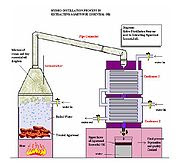 The cheapest oil distilled from agarwood can be bought relatively cheaply for as little as $20 per kilogram, but the finest oils distilled from agarwood can cost as much as $7,000 per kilogram. It is interesting that only Yves Saint Laurent from the giants of the perfume industries uses Agarwood in their perfume products.
I for one will never forget the scent from this herb had brought to me. Somehow this will be better known in the west over time as the globalisation of all things good moves on.
There are fifteen species in of the Aquilaria tree and of those just over half are known to produce agarwood resin. Unaffected wood of these trees keep a light colour, the resin dramatically increases the mass and density of the affected wood, changing its colour from a pale beige to dark brown or black. 7% of the trees in the forests are infected by the fungus. It is quite common for a the trees of a forest to be inoculated with the fungus for the purpose of harvesting.
 The cheapest oil distilled from agarwood can be bought relatively cheaply for as little as $20 per kilogram, but the finest oils distilled from agarwood can cost as much as $7,000 per kilogram. It is interesting that only Yves Saint Laurent from the giants of the perfume industries uses Agarwood in their perfume products.
I for one will never forget the scent from this herb had brought to me. Somehow this will be better known in the west over time as the globalisation of all things good moves on.
![Reblog this post [with Zemanta]](https://lh3.googleusercontent.com/blogger_img_proxy/AEn0k_v1mTNqs5GSyHKSzuy03q3q0g7InvJaWm814vyQW9_nEMAfaTkfFPifb7IkV1opVSueBhTV5DJgj-9UU4jFRVKe9tgdSKFHNODr2Pc0nIUzLHnZ9G7rZ6kIhP5P9QGN-qjaCdX_V7GPUriUbd4hxkLo=s0-d)


![Reblog this post [with Zemanta]](https://lh3.googleusercontent.com/blogger_img_proxy/AEn0k_vhk_TP7zjoW8KIKMixlnSa2DuFAvcYmIlJDZzxDs7JBeobOx_c6uNFOr3SyMBs-lcnHE0rCnHhREmEgsfUfKMYfBZJTtsACjsmOVEXQ_ON5E6N1Nd8j1HfpVLwd-bAyk9Gqi06SzMyCdUEl6_VoyE=s0-d)