

Clixsense

Showing posts with label salad. Show all posts

Monday, 6 July 2009

Coriander - Grown But Not Eaten In Bulgaria

Coriander - Grown But Not Eaten In Bulgaria

Coriander is a fantastic herb for its strong flavour and is produced as a major export food in Bulgaria. It is very rare indeed for Bulgarians who produce so much of it to use it in their National dishes – I really don’t know why?

This aside coriander or cilantro is an annual herb. It is native to south western Asia and west to North Africa. It looks a bit like parsley with its It is a soft, hairless leave growing up to 50 cm in height. The flowers form small umbels coloured white or light pink, asymmetrical, with the petals pointing away from the centre of the umbel longer (5-6 mm) than those pointing towards it (only 1-3 mm long). The seeds, another fantastic food ingredient is round and ranging from 3-5 mm in diameter.

Used sparingly in salads coriander leave ad a ‘zing’ to the taste. Many Asian dishes use coriander alongside many other herbs and spices. The herb is never overpowered in taste, even with the addition of chillies. The coriander seeds give an even stronger flavour and are often lightly dry roasted before being ground or crushed to bring out an even more intense flavour.
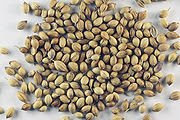
Coriander - Grown But Not Eaten In BulgariaCoriander is easy to grow even in the UK if in a sunny sheltered position and of course in pots inside the house on a sunny window ledge would being good results. You can use the seeds from the supermarket or local Asian grocer to plant. You will find that if you do go to your local Asian grocer the leaves and the seeds will be much cheaper and fresher that supermarket produce.

I have introduced coriander to my Bulgarian family and friends in salads and other meat stew dishes, but although they like it, they will not use it and revert back to traditional ingredients where coriander is excluded. The only use they have in Bulgaria is to add coriander to the distilling of rakia – this is done most effectively and the resulting rakia takes on the flavour very successfully.

Elsewhere coriander seeds are used in other alcoholic beverages such as brewing certain styles of beer, particularly some Belgium.

Coriander has many uses in all types of food, but you must remember that always buy and store the seeds whole as ground coriander loses its flavour very quickly.


Reblog this post [with Zemanta]

Tuesday, 23 June 2009

Mayonnaise With A Fresh Herb Touch

Mayonnaise With A Fresh Herb Touch

A grandmother in Germany I knew many years ago gave this herb mayonnaise recipe to me. She just happened to have the ingredients at hand at the time and she never forgot it, hence the rough guide in quantities given. She had medium sized hands!

The use of mint, parsley and coriander make an excellent combination for added to a mayonnaise mix. It can make a refreshing change to ordinary mayonnaise and can be used in the same way, i.e. in sandwiches, salads, egg, pototoes (as pictured) and with many types of meat. It also makes mayonnaise feel a bit healthier although it doesn’t ‘t make that much difference to the main oil content in mayonnaise.

Ingredients:

  • · 1 handful fresh mint leaves
  • · 1 handful fresh coriander
  • · 1 handful fresh parsley leaves
  • · A Pinch of chilli pepper
  • · 1 medium onion chopped finely
  • · 1 teaspoon red wine vinegar
  • · 3 tablespoons mayonnaise

Method:

Mix all the ingredients expect the vinegar and mayonnaise in a food processor Process until minced. Then add the vinegar and mayonnaise and mix by hand until mixed in thoroughly. Serve straight away.

It will keep if refrigerated for up to 5 days if in an airtight container.

Image via Wikipedia


Reblog this post [with Zemanta]

Monday, 27 April 2009

Dill Or No Dill?

Dill Or No Dill?Dill or no dill? This was a the question that came to me when moving to Bulgaria. It was no dill in the UK and dill when I got here. Dill is used extensively in Bulgarian dishes. There is no stopping me now once I discovered it and grow it both in the town and village location.

It will be now surprise that Dill comes originally from Eastern Europe (Bulgaria included.) There are also varieties in Mediterranean and in West Asia. Dill was even found in the tomb of the Ancient Egyptian Amenhotep II, late Neolithic lakeshore settlements in Switzerland and in Roman ruins in the UK.

The name dill probably came from Norse or Anglo-Saxon word 'dylle' that translates 'to soothe.' The ancient Greeks saw dill as a sign of prosperity and it was used in 8th banquets to cure hiccups. In the middle-ages saw dill as a erotic love potion and to keep evil witches away. American Puritans and Quakers gave dill seeds to their children to chew during long church meetings as it acted as a hunger-suppressant.

Dill Or No Dill?Dill has fernlike leaves, which are aromatic. These are used and are used to flavour a variety of foods including soups and pickles where the flowers of the dill are often used. Dill is best when used fresh due to it loosing its flavour very quickly. Modern freeze-dried dill leaves preserve their flavour well and will last up tot six months.

The dill seed is used as a spice, with a flavour somewhat similar to caraway, but also resembling that of fresh or dried dill weed. Dill oil can be extracted from the leaves, stems and seeds of the plant. The seeds were traditionally used to soothe the stomach after meals.

Growing dill Successfully requires warm to hot summers with high sunshine levels; perfect in Bulgaria. Partial shade will reduce crop quality substantially. Dill likes rich, well-drained soil.

The seeds are gathered by cutting off the flower heads, as the seed is begins to ripen. The seed heads are placed upside down in a paper bag and left. The seeds then separate from the stems easily for storage in an airtight container. It is very easy to manage.

Dill is great is grow in containers. You can use normal potting compost and keep the plants well watered. You can easily grow dill indoors, just sow the seeds October in small pots then transplant them to larger pots when the plants are about over 15 cm in height. A sunny windowsill is an ideal place for them to grow on although you might need a stake to support them eventually The crop will be ready for harvest about tow months after sowing.

This Dill Sauce recipe was tried and tested from the BBC and was found to be superb especially served with fish dishes.

Dill Sauce Recipe

Ingredients:

15g/½oz sugar
200ml/7fl oz red wine vinegar
80g/3oz Dijon mustard
400ml/14½fl oz olive oil
salt and freshly ground black pepper
2 large tbsp fresh dill, chopped

Dill Or No Dill?Method
:

1. Whisk the sugar, vinegar and mustard together in a bowl.
2. Slowly whisk in the oil until smooth and thickened.
3. Season, to taste, with salt and freshly ground black pepper and add the dill.

Recipe from www.bbc.co.uk/


Reblog this post [with Zemanta]

Monday, 26 January 2009

Salad Burnet - Wild, Free and Cucumber Taste

Coming from western, central and southern Europe, northwest Africa and southwest Asia. Salad burnet is a common herb that not many people are aware of even though it grows under their noses in many instances. It is great for salads as it's name suggest and can be made into either a useful vinegar or a lovely alcoholic cocktail with a unique taste.

It is a perennial herbaceous plant growing to nearly 1 metre high and can be found mainly in dry grassy meadows with limestone based soil. It is very resistant to drought grows throughout all seasons.

It is used not just in salads, but can be used as an ingredient to dressings. The flavour is essentially of a cucumber. The salad burnet is an excellent substitution for mint leaves in many dishes. If you use the fresh young leaves these will give the best results otherwise you may get a bitter edge to older tougher parts of the herb.

It also has been marked in history for being Francis Bacon's favourite herb and was introduced to the New World from the first English colonists. Salad burnet also has medicinal qualities in fact the same benefits as the medicinal burnet.

The salad burnet or sometime know as the great burnet it distinctive in looks has erect stems with globular red flower heads. These have purplish quality with feather like stigmas and sepals; it has no petals. The leaves are rounded with toothed characteristic mini-leaves.

If the leaves are crushed it will give the smell reminiscent of cucumbers. The herb forms in large colonies and attracts all types of insects. It will seed freely and cover big areas. It is a good plant for a short meadow type land as it can withstand mowing. Because it can tolerate drought it is good resource to have with global warming here and worsening.

Seeds are cheap and freely available in many online gardening sites. It is well worth having a few clumps of salad burnet you can pick all year round once established just before you mow the land.

I have given a recipe that I had made in the UK a few times. It was a great favourite of my grandmother who used to make it and gave me the recipe. She said, "It make hairs grow on your chest," but this is not to be taken seriously of course.

Grandma Charlotte's Burnet Liquor Cocktail

Ingredients:
  • Salad Burnet, around 5-6 plants crushed or liquidised
  • 700cl white wine medium to sweet
  • 500ml sherry
  • 1/2 lime or 1 lemon thinly sliced
  • 1 litre soda water
Method:
Simply mix all the ingredients except the soda water together really well and leave in the fridge for a few hours or preferably overnight. Just before serving add the soda water and add sugar to add more sweetness if required.

Monday, 29 September 2008

Dandelion - A Very Useful Weed

Dandelion is the scourge of gardeners from what I remember but what kind of gardener tries to get rid of a herb that is delicious and good for you? I've been there trying to achieve a garden that has manicured lawns and boarders and the sight of dandelions or any other weed raised my blood pressure. But this was a long time ago and fighting against nature now seems absolutely pointless.

Dandelions still remain a simply a garden pest hard to eradicate without chemicals or backbreaking work. However, dandelion's roots and leaves have been used as medicines for countless years past to treat digestive disorders, painful joints, temperatures and fevers along with skin disorders. The salad leaves of the plant are rich in natural health giving vitamins A, C, D, and B-complex. Dandelion has many natural minerals in its compounds including iron something which many people lack in their modern diets.

Dandelion leaves make good supplements for elderly or pregnant women or elderly women. The dandelion root can be an appetite stimulant with many herbalists using dandelion to detoxify the liver and gallbladder. Alongside this dandelion can treat pneumonia, bronchitis, and other aliments associated with respiratory disorders. As a natural tonic for general health dandelion is a good remedy and benefits the kidneys, stomach and other organs.

With many other positive effects that that dandelion gives the dandelion root has been pushed forward as a healthier alternative to drinking coffee.

The dandelion provides a lovely addition to salads with its strong, sometimes bitter taste, I have found it an addictive herb and often use it a stand-alone salad dressed with a little oil, vinegar and salt. It can be boiled and used like spinach or even used as a base for roast meats, this is delicious with the dandelion being cooked in the meat juices!

Dandelion Salad Recipe

Ingredients:
  • 1/2 cup cream
  • 2 eggs
  • 1 tbsp sugar
  • 1 tsp salt
  • 4 tbsp vinegar
  • 1/4 cup butter
  • 1 paprika
  • 1 pepper
  • 4 slices of thick bacon
  • 1 dandelion

Method:
  1. Carefully wash and prepare the dandelion as you would lettuce. Roll in cloth and pat dry.
  2. Then put into a salad bowl and place in warm place.
  3. Cut bacon in small pieces, fry quickly and drop over the dandelions.
  4. Put the butter and cream into a skillet and melt over a slow heat.
  5. Beat eggs, add salt, pepper, sugar and vinegar and mix with slightly warm cream mixture.
  6. Pour into skillet and under increased heat, stir until dressing becomes thick like custard.
  7. Take off and pour piping hot over dandelion. Stir thoroughly.

(Source: Pennsylvania Dutch Cook Book - Fine Old Recipes, Culinary Arts Press, 1936.)

The dandelion flowers are a great source of pollen for bees but they have uses for us as well. Dandelion is a favourite ingredient to home made dandelion wine.

Why not try some dandelion, it grow everywhere and is best in the spring and early summer months. I even have my own dandelion cultivated area on my farm, that technically means it's not a weed!


http://site4truelove.com

http://bulgarianslivatree.com
http://365bulgarianadvetures.com
http://site4truelove.com
http://therakiasite.com
http://doshforu.com

Friday, 26 September 2008

Chicory - The Bitter Truth

Chicory is a strange herb; my experiences with it are few as it was never homegrown when I was young. It always reminded me of a bitter tasting vegetable but strangely addictive. Chicory coffee, again always had this bitterness about it and I have never really taken to it, it seemingly is a poor man's coffee alternative although that is changing as it is promoted as a health drink and the crazy price tag that will go alongside that!

Basically chicory is a vegetable salad leaf. it can be grown for its leaves and enjoyed eaten raw as a salad. It has a distinctivewhite bulb of tightly packed overlapping white leaves with the leaf tips pale yellow in colour. We call it chicory here in Europe, but it is called 'witloof' in Belgium and 'Belgian endive' in America.


In England during the Second World War it was used extensively for Camp Coffee, this was a coffee and chicory compound, which has now been marketed commercially since 1885. This coffee made out of chicory roots has been used in prison in the USA as a cost saving supplement to real coffee.

There is a Roman recipe using chicory is an ingredient and fried with garlic and red pepper. It has bitter and spicy taste and goes very well with meat and potatoes dishes.

Chicory root contains oils that are toxic to internal parasites and is now grown and used use as a food supplement to farm animals as a natural form of parasite control.

The Belgian endive has a small cream coloured head of bitter leaves. It is grown underground or indoors without sunlight in order to stop the leaves turning green, France is the largest producer of these types of endives.

Root chicory has been in grown in Europe and this is the part that is used as a coffee substitute. The process involves baking and grinding the roots to produce the coffee substitute. This is made in the Mediterranean region where the plant is native.

In Germany chicory, including the flower was used as a treatment for everyday ailments. It is used as a tonic and appetite stimulant and as a remedy for gallstones, gastro-enteritis, sinus problems as well as treating cuts and bruises.

Chicory is not everyone's favourite herb due to its bitter taste, but again, the use of the plant remains a natural alternative to coffee and spicing up salads. Alongside its qualities as an alternative medicine for many ailments this makes it a worthwhile herb to use and cultivate at home.

If you want to have a go at growing chicory, I would certainly recommend it, there is a very good article giving a growing guide to chicory, which you may want, to refer to: How-to-Grow-Chicory


http://site4truelove.com

http://bulgarianslivatree.com
http://365bulgarianadvetures.com
http://site4truelove.com
http://therakiasite.com
http://doshforu.com

Total Pageviews