Clixsense

Thursday, 23 November 2017

The Unknown Benefits of Sesame Seeds

Unbeknown to many, the simple sesame seed holds many secrets to good health and well-being. Not only are sesame seeds an excellent source of copper and a very good source of manganese. They are an excellent source of calcium, magnesium, iron, phosphorus, vitamin B1, zinc, molybdenum, selenium, and dietary fiber. All these make a big difference to your health if part of a balance diet.

sesame seeds, sesame oil, skin, beautiful skin, ageing,
Not many people know that sesame seed oil can also help keep a healthy heart by preventing atherosclerotic lesions with the antioxidant and anti-inflammatory compound known as sesamol. 


If you are confused regarding the difference between black and  white sesame seeds let me explain. Black seeds have their shells intact, the white seeds have their shells removed. Black sesame seeds are more flavourful with stronger aroma than the unshelled white.
  
sesame seeds, sesame oil, skin, beautiful skin, ageing,
Sesame oil, which is extracted from sesame seeds and used extensively in the skin care industry throughout the world The oil is gentle on the skin and give an array of benefits to the skin including eliminating acne. It compounds within contain vitamins A and E and polyunsaturated fats that help improve skin texture and reduce signs of aging. 


You often see sesame snack in shops. Basically sesame seeds bound together with honey/sugar. you are led to belief these are healthy but because they contain a lot of fat, sesame sticks are also relatively high in calories Although most of the fat found in sesame seeds is heart-healthy unsaturated fat. If you can't resist one and I love them, it is important to eat small amounts to keep your calorie intake under control. 

The sesame oil is rich in antioxidants, hence they are easily absorbed into the skin, nourishes it from deep inside and promotes skin softness. Here is a way to get the benefits to your skin from these humble but effective sesame oil.
sesame seeds, sesame oil, skin, beautiful skin, ageing,


For some people sesame oil brings an overwhelmingly strong smell, to get rid of this simply mix it with olive or almond oil this will moderate the scent. You can also mix sesame oil with turmeric. Apply the solution 10 minutes before taking hot bath. If you use this on daily the result is a fantastic glowing skin.

Monday, 20 November 2017

Cinnamon And Cayenne Pepper - An Effective Way to Warm Hands and Feet

How many times have you been in pain from cold feet or hands, despite wearing decent sock and gloves. Being a cyclist all year round this is a big issue personally with wind chill factor combined with bad blood circulation - a combination of extreme discomfort. For many other people without bike this issue is quite common.

What can you do about it?

Cinnamon, Cayenne Pepper, Warm Hands, Warm Feet. cold feet, cold hands, hand heaters, feet heaters,
Cayenne Pepper

Well there are two spices that can help considerably in this problem. It has been tried and trusted by myself and works well. It may seem quite a stronge thing to do, but the benefits are great.


Cinnamon, Cayenne Pepper, Warm Hands, Warm Feet. cold feet, cold hands, hand heaters, feet heaters,
Cinnamon

Ground Cinnamon and Cayenne Pepper combined may a perfect compound to sprinkle inside your socks and/or gloves which which will combat the coldness by stimulating and therefore improve blood circulation. With increased blood circulation the body will generate a natural effective warmth from within. This means there is no need for external hand or feet heater gadgets that are on the market. and add the cost into the equation there it the answer.

Wednesday, 15 November 2017

Get Rid of Coughs With Thyme


A cough is the most annoying thing, it won't go away. Most people just go for an over the counter cough mixture which works but what else is being put in your body, does can make you drowsy and not least THE COST!?
Coughs, Thyme, herbal tea, thyme tea, german, cure, herbs, remedy, homemade herbal tea, anti inflammatory, cheap, cough mixture,

There is an alternative herbal remedy. Purely natural with no additives or preservatives. This is not an old wives' tale but scientifically tested.


If you have upper respiratory infections, bronchitis, or whooping cough this herb can make a difference an put you back on the healthy road again. Thyme has hundreds of minute leaves, these have curing qualities as each leaf's has a compound with cough-suppressant. The inflamed tracheal and ileal muscles are key elements that cause coughs, the flavonoids contained with the thyme leaves relax both these muscles essentially having an anti inflammatory affect. 
Coughs, Thyme, herbal tea, thyme tea, german, cure, herbs, remedy, homemade herbal tea, anti inflammatory, cheap, cough mixture,

There is a bonus with this most natural remedy, it also cures headaches with the same anti inflammatory effect. 

In addition to the positive effects being tested and approved thyme is an officially approved German cough treatment and we know how serious the Germans are.

To administer and intake the cure it can me taken as a simple cup of herbal homemade tea. Recipe given here although you've probably guessed how it is made already it is so simple. (And cheap.)


Ingredients 
2 teaspoons fresh or 1 teaspoon dried crushed thyme leaves
1 cup boiling water

Method
Mix both ingredients cover, wait ten minutes, strain and drink. 
(You can add a little honey if you have a sweet tooth)

Wednesday, 1 November 2017

Birdseye Chillies - Very Hot But Not The Hottest

The African Birdseye Chile is also known as the African Devil, Mombassa Chilli, African Chilli or Zanzibar Chilli. The Birdseye Chilli is a close relative of the fiery hot tabasco chilli. It has been grown in the African wild for many generations, but now in modern times it is grown and commercially harvested in Australia, Malawi, Uganda and Zimbabwe. 


The African Birdseye chilli leads to a blunt point and are usually between 1 cm. and 2.5 cm. in length. The young fruits are initially green and the chilli turns a bright red when fully ripe.  


The Birdseye Chilli from Uganda, is believed by many to be the hottest chilli outside the legendary category of the C. Chinense species. It registers between 100,000 - 225,000 on the Scoville Heat Scale. These high and potent heat levels give good reason for them to be harvested and processed for commercial and used as a pepper extract. It takes around 350 chillies to make 30 grams of the extract.


With the clean flavour although lacking the character and complexities of more popular chillies, it has been compared to have undertones of dry hay with a distinct bite. 


Caution should be made when handling these peppers due to their heat. Ensure you wash your hands after handling and not rub your eyes or nose as this would lead to irritation. You will find this chilli common place as an ingredient in various soups, stews, chicken dishes and with no surprise, hot sauces!  

The African Birdseye Chile is definitely a hot chilli, but nowhere near the hottest which is registered by the Carolina Reaper. At 1,500,000 - 2,200,000 on the Scoville Heat Scale is the hottest pepper in the world.

Wednesday, 26 July 2017

Back in Bulgaria - The Herb Oasis!

I am now back living in Bulgaria an oasis for herbs. The passion for using and finding out about new herbs and remedies for illnesses has come back s you cannot ignore what is around you here.

Once I have unpacked my bags and settled in my home I will add to the posts already published on the site.


Sunday, 7 August 2011

Batteries Recharged

I am now geared for more work on this blog very soon. 
Thanks for your patience.

Wednesday, 6 October 2010

Herbsways Blog On Hold For A Reason

There have been no posts for quite a while on this blog for a very good reason. I have been compling a recipe book on Bulgarian cuisine where 100 recipes have been tried, tested and written up all using in the main homegrown produce.
Here is the introduction to the book which will be published and on sale before Christmas.

An Introduction To Bulgarian Cuisine

Bulgaria was founded in 7th Century from this time right up to the 18th Century the Bulgarian diet was essentially based upon mainstay Europeans food such as various meats, dairy products, fish, cereals, fruits and vegetables. Into the 19th Century Bulgarian cuisine began to develop its own identity with many of the Bulgarian recipes seen in this book originating from this time. The types of produce grown and used extensively in kitchens in Bulgaria are given here:
  • Meats: pork, beef, lamb, chicken, fish, duck, goose and snails.
  • Dairy products: Almost everyone in Bulgaria eats yoghurt regularly; you can only find the bacteria that make yoghurt in Bulgaria! There are two main kinds of cheese: sirene (white sheep’s cheese) and kashkaval (yellow cheese). Sirene can also me made from goat and cow’s milk.
  • Cereals: Rice, corn, maize, sunflowers, beans, lentils.
  • Vegetables: Potatoes, cabbages, (green and red), carrots, tomatoes, green peppers, eggplants/aubergines, cucumbers, gherkins, garlic, zucchini/courgettes, lima beans, haricot beans, broad beans, peas, lettuce, radish, turnips, asparagus, gumbo, mushrooms and olives.
  • Fruits: Cherries, raspberries, strawberries, blueberries, blackberries, apples, peaches, pears, plums, apricots, watermelons, honey melons, grapes and quince
  • Nuts: Peanuts, chickpeas, walnuts, hazelnuts, almonds and sweet chestnuts.
  • Herbs and Spices: Parsley, coriander, rosemary, spearmint, savory, paprika, dill, thyme, cumin, devesil, summer savoury, oregano.
By the 20th Century Bulgaria's economic interests were now linked with Middle and West Europe and exposure to common European foods like pizza, mayonnaise and cream as well as other foods not native to Bulgaria.
Bulgarian cuisine today is a mixture of typical Bulgarian dishes and imported global world foods including much fast food. On the other side of the coin Bulgarian cuisine is now exported worldwide not least for the reason from the masses of Bulgarian people moving overseas during the 1990s and stems from this demand.
Bulgarian home cooking is normally done starting with the cooking of the meat and gradually adding all other ingredients. The cooking process would have all been started and finished in one saucepan. Cooking food on a low heat is steeped in Bulgarian history. Many stews and casseroles are served in a brown-lidded bowl called a ‘gyuvech’ meaning earthenware dish. This gives the distinctive flavoursome, nutritious and well tenderised eating associated with Bulgarian cuisine.
I will be turning attention back into articles here once the book is out so thank you all for bearing with me.
Enhanced by Zemanta

Sunday, 11 April 2010

How To Get Rid Of Pain Naturally (Using Herbs)

Borage from Project Gutenberg EBook of Culinar...
In the past few years, the whole "all-natural" movement has been gaining ground as evidenced by aggressive marketing of alternative health products from weight-loss diet pills to cold medications all marked as "derived from nature." Of late, Western medicine is trying its best to join the alternative health bandwagon by researching on ancient herbal remedies that have been in use in more primitive cultures for centuries. This is also the reason for the sudden increase of natural pain relief medications.

Western medical science is still studying the host of ingredients and combinations that make up these natural pain relief, before any major investment is made by pharmaceutical companies, production-wise. There are a few "naturally made" medications already being sold on the market, but most of the traditional natural pain relief remedies have yet to be tested by neutral research laboratories. Most developed countries have employed strict standards regarding medical testing, and, as a consequence, has slowed down the release of herbal or natural pain relief medications.

However, in less developed countries, the natural pain relief remedies are still in frequent use and are, in fact, more popular than western medicine. This is particularly true outside of urban communities, where Western medical procedures and tools are either inaccessible or too expensive for the people. With the herbs and ingredients being readily available, and the people being aware of which plants work for what ailments, the process of using these natural pain relief methods is significantly simpler. While Western medicine recognizes this, there are several concerns that prevent the herbs and ingredients being used from being introduced to the mainstream.

Aside from the aforementioned testing procedures, developed countries have research being conducted to find out what exactly is making the natural healing methods work. This would allow pharmaceutical companies to both present the medication in the traditional capsule or pill form by isolating the key ingredient, but also by allowing them to study the effects and pinpoint other potential applications.

Another difficulty is the prevalent belief that herbal remedies or traditional medicines are somehow "inferior" or are fraudulent, as compared to Western medicines. While this view is archaic, this has been cited as one of the reasons why traditional Chinese medicines not being widely used outside of Chinese communities in the US. Supposedly, the extensive testing and study conducted by pharmaceutical companies on natural "pain killing" also involves the isolation of the working compound, which would allow them to market it as a "modern" drug.

It is also worth noting that some of these remedies may not be easily accessible to outsiders, making procuring samples difficult. With samples to test being so difficult to obtain, companies are rendered incapable of marketing the remedies, even if the chemistry behind the herbs is sound and effective. Another problem stems from the fact that most outsiders are incapable of understanding the cultural subtleties differentiating one herbal treatment from another.

Despite these difficulties, some pharmaceutical companies have managed to successfully field and market effective remedies based on folk treatments and herbs. There is an extant market for such remedies, and with massive advertising and media mileage, the market is expected to boom in no time at all.

Visit the Health And Nutrition Tips website to learn about what is psoriasis, flexural psoriasis, psoriasis symptoms, toe corn removal, foot corn removal , foot corn symptoms and other information.
Author: Harry Ayala

Reblog this post [with Zemanta]

Sunday, 28 March 2010

Organic Herbs Are Cheaper And Safer

Organic herbs are cheaper and safer for both you and the environment. The rising demand for organic herbs stems for the growing awareness of how large scale corporate farming practices are doing damage not only to our bodies but also to our environment. The common barrier in the past to large scale demand for organic foods has been due to the price being cost prohibitive.

 As with all things economic this has been a supply and demand issue. Now that the rising awareness of personal health and environmental has gotten our attention the demand for organic foods has gone up. As time passes the growth will accelerate dramatically when health conscious people push the subject into mainstream thinking.

The best choice for purchasing organic herbs is to buy from small scale local family farmers. The fact that small local organic herb growers have greater control over their growing practices (pesticide use) and have virtually no potency reducing transportation times (environmental pollution) ensures that the long term dangers to the nations health is reduced.

 Small family operations typically have a greater environmental protection mindset due to the fact that the land they grow on is their valued personal property. The higher prices come from the supply and demand continuum. Slower and smaller production ensures higher prices. All commerce is a matter of economics when buying in bulk. Larger growers have discounted pricing but result in larger indirect costs of health problems as a result of the corporate farming practices.

Large scale farmers tend to focus on one or two herbs and grow the same ones on the same soil over and over while never allowing the soil to replenish its nutrients through other crop growth and/or resting the soil. The fact of poor nutrition and environmental pollutants leading to disease give credence to the importance of what should be a very simple choice when purchasing organic foods. Additionally you must consider the time issue. Buying locally ensures that the product is properly dried and not sitting on railroad cars or trucks while in green state and going though the dying time in the presence of road pollutants and pest laden railroad cars.

So, in my opinion the small organic grower is no more costly than the large corporate grower when you factor in these unseen long term expenses. That nagging factor of environmental damage costs and likely future medical costs from poor nutrtient density of corporate growers seems to level the field of pricing between large growers and small local growers.

 Due to that fact that large scale growers aren't able crop rotate their land the disease resistance factor in the plants is reduced over time, thereby requiring more petroleum based fertilizers and pesticides to deliver a crop. Truth be told by the time you factor in the costs of environmental damage and damage to ones health the cost of buying organic herbs in bulk are currently just as costly as buying from local growers. I recommend buying locally.

Everyone is raving about the new lease on longevity and aging. To get your special antiaging report, FREE!! Go to http://naturalcellrenewal.com

Reblog this post [with Zemanta]

Wednesday, 10 February 2010

Gotu Kola - The Arthritis Herb

According to the National Center for Health Statistics there were 45.8 million adults with diagnosed arthritis in the United States in 1993. Although the term literally means joint inflammation, arthritis really refers to a group of more than 100 rheumatic diseases and conditions that can cause pain, stiffness and swelling in the joints.

The two most common forms of the disease are osteoarthritis and rheumatoid arthritis.

Osteoarthritis is the most common type of arthritis, especially among older people. Sometimes it is called degenerative joint disease or osteoarthrosis. Osteoarthritis is a joint disease that mostly affects the cartilage. Cartilage is the slippery tissue that covers the ends of bones in a joint. Healthy cartilage allows bones to glide over one another. It also absorbs energy from the shock of physical movement. In osteoarthritis, the surface layer of cartilage breaks down and wears away. This allows bones under the cartilage to rub together, causing pain, swelling, and loss of motion of the joint.

Rheumatoid arthritis is an autoimmune disease that occurs when the bodies own immune system mistakenly attacks the synovium (cell lining inside the joint). This chronic, potentially disabling disease causes pain, stiffness, swelling, and loss of function in the joints.

Today more and more people are seeking an alternative treatment to combat the pain of arthritis. One such treatment that may hold promise is the use of the herb Gotu Kola.

Gotu Kola (Centella asiatica) also known as Indian pennywort, marsh penny and water pennywort is a creeping Perennial herb, native to tropical and sub-Tropical Asia, some South Pacific islands, coastal and central Africa. It has been used for centuries in both Ayurveda and Chinese medicine and was first accepted as a drug in France in the 1880's.

Although treating arthritis is not the most common traditional use of Gotu Kola, down under in Australia Gotu Kola is commonly known as Pennywort "The Arthritis Herb" where the fresh leaves are used to treat arthritic conditions and has become extremely popular. Frequent reports of its efficacy have prompted the Herbal Medicines Research and Education Centre to start a research project to investigate the popular use of Pennywort (Centella asiatica) for the treatment of arthritis.

Numerous reports have emerged from the general public that eating 2 leaves each day is said to relieve the pain of arthritis and even plant nurseries in Australia sell the plant as 'the arthritis herb'.

Note: 
Gotu kola should not by taken if you are pregnant, breast-feeding or taking certain medications.

Before taking any alternative treatment talk to your doctor, pharmacist, or health care professional if you have any other medical conditions, allergies (especially to plants), or if you take other medicines or other herbal/health supplements.

Discover more information and articles on Herbs and Herbal Medicine by visiting http://www.herbs4medicine.com

Saturday, 30 January 2010

Growing Herbs For Profit

Small things can turn out big. In any project, focus, perseverance and organization are the keys to success. Your hobby of planting herbs or creating an herbal garden can turn into a profitable endeavor. A number of herbal shops started small, transforming their own home as a temporary business location. The initial limitations on resources do not mean the venture will not be successful. Creativity, an open mind and determination are what you will need in order for things to fall into place. The chance of having fun while gaining more money is surely a rewarding experience.

The size of your business will determine the amount of profit you will gain. You can choose to have a small-scale or large-scale enterprise. There is an increasing demand of herbs today, so cultivating herbs can truly be a source of income. Profit can come from seeds, dried herbs and using your knowledge of herbs. These are areas you can consider when putting up your own herb business.

Selling seeds is the swiftest way for you to start your business without accumulating many expenses. Medicinal to culinary, there are a lot of herbs to choose from. If there is an herb rarely found in your area, then this is a good way to start and try to provide this product for prospective clients. For medicinal herbs, study the different kinds of herbs that will interest the people in your neighborhood. Spreading the word about your business can be a difficult task. You can ask a few friends to help your business be known to other people. Giving out fliers is another effective way of marketing your products. The best way to begin is by choosing one or two from the herb variations. Ensuring quality and affordability will be the way for you to get more customers.

Dried herb is another way for you to gain more money. There are some techniques and methods you need to familiarize yourself with. One of these is the ability to nurture and dry leaves. It is an advantage when you have an herb garden. Customers are inclined to purchase and use fresh products compared to those preserved ones in grocery stores. An innovative idea would be to sell them both fresh and dried. To start selling your herbs, dry them first then put them in airtight containers which are not transparent. Exposure to sunlight will affect the herb's quality.

Using your knowledge on herbs is also a profitable endeavor. You can start to create seminars or training locations and share your learning on the varieties of herbs and their significance in daily living. A cooking demo can teach them the different culinary functions of herbs. You will make them aware of the enhanced flavor a certain herb can provide and the right recipes to add them. In addition, an informative lecture on the medicinal properties of herbs can also be created. Health stores, community centers and churches are some of the venues you can choose from to start your herbal program.

Plenty of time is allotted when creating business with your herbs. The days spent of tolling in your garden to create quality materials, and the hours used for marketing your product and services are highly regarded. With the methods discussed, it is up to you to choose which option is suitable. In order for you to be successful, there is only one thing you have to put in mind-enjoy what you are doing. Lack of interest in any endeavor will ensure failure, so just have fun while acquiring more income.

-------------------------------------------------------------------
Author: Vicky Josephino is a writer and herb garden enthusiast living just outside of Long Beach, CA. Mostly, she spends her days either buried in my laptop or tinkering the organic garden she has set up a decade ago. She says that in that time she has learned about what works (and what doesn't) as far as herb gardening is concerned. And as it goes, you can find those years of herb knowledge and experience in her free email course. She offers you great tips and techniques for growing your herb garden the right way.
For more tips and advice on growing herbs for both pleasure and profit, check out her articles and free e-course at http://www.herbgardeningguides.com/.

Thursday, 14 January 2010

Lowering Cholesterol By Natural Herbs

Number of people with high cholesterol is increasing day by day, because of the harmful food habits and very low physical activity. As per the statistics by; National Health and Nutrition Examination Survey (NHANES), 2005–06, National Center for Health Statistics and the NHLBI. An estimated 98.6 million adults in the United States have total blood cholesterol values of 200 mg/dL and higher, and of these about 34.4 million American adults have levels of 240 or above.

Bad food habits: Eating foods that are harmful to our good health, examples are.

  • eating fast foods,

  • oily or creamy bakery items,

  • ready to eat packed foods,

  • foods rich in fat and sugar


  • Managing cholesterol is simple

  • Lowering body weight, directly means low body fat so chance of developing high cholesterol is reduced.

  • Increasing physical activity, means burning more calories, so lowering in blood cholesterol level.

  • Strictly cutoff fat and sugar which are harmful for good health.

  • Add up soluble fibers helps eliminate digested food easily and prevents the absorption of bad cholesterols.

  • Last but very importantly; try to include cholesterol lowering herbs in the daily life with an tasteful recipe or take as medicine. For information on cholesterol natural herbs with scientific proof on the effectiveness of treatment visit http://healthy-ojas.com/cholesterol/cholesterol-herbs.html


  • People now start preferring alternative medicine such as natural herbs than modern treatment, because of its (modern medicine) side effects and high cost involved.

    Also natural herbal treatment for high cholesterol has

  • Low or no side effect,

  • Possibility for a cure or effective treatment,

  • Worth for the money spent

  • Additionally over all health improvement.

  • Natural herbs for cholesterol are believed to lower blood cholesterol, additionally it nourishes liver, kidney and heart, which are behind the cause of cholesterol or may affected in long run. That means cholesterol herbs are not only useful in lowering high cholesterol, also it helps to limit or eliminate its complications such as Atherosclerosis (Hardening of arteries), Angina (Chest pain), Coronary artery disease, Heart Attack, Heart failure and Stroke (Brain attack).

    Because of the above said benefits natural herbal treatment is gaining popularity and people are attracted towards herbs for their treatments.

    Author: Thiruvelan


    Sunday, 29 November 2009

    Natural Herbs For The Flu

    This negative stained transmission electron mi...

    In a viral infection the virus gets attached to the walls of the mucous membranes in the respiratory tract causing flu symptoms. Natural herbs provide an effective way to combat viral infections. The following herbs are the most popular flu herbs being used by herbalists today.

    Cats claw is a multipurpose herb that treats asthma, inflammations of the urinary tract, arthritis, rheumatism, and bone pain. It is a cleanser herb for the kidney. Women used it to recover from childbirth. Also, it was used to cure deep wounds; inflammation and gastric ulcers. It is now used as a cure against viral diseases also. Cats claw is a woody vine that has thorns growing on the vine that look like the claws of a cat. It can reach over 30 m high into the canopy and has small, yellowish-white flowers. Cats claw is found in South America in the Amazon rain forest of Peru.

    Pau darco is a herb derived from the inner bark of the Tabebuia Avellanedae/Tabebuia Impetiginosa (Taheebo) tree in South America. Its tea has been used for cancer victims. Lapachol is a chemical derived from pau darco, is active against viral diseases, is effective against the malarial parasite, inhibits herpes simplex, and restricts the virus that causes cold sores. Low doses of pau darco chemicals activate the immune system.

    Jergon sacha is found in the Amazon forest, and in the rainforests of Brazil, Suriname, and Guyana, Peru, Colombia, and Ecuador rainforests. The juice of the fresh rhizomes of Jergon sacha is used as an antidote for spider bites, and for wounds of poisonous dart and arrow. The powdered tuberous rhizome of Jergon sacha is used orally to treat asthma, menstrual disorders, and whooping cough. The root powder of Jergon sacha is used for scabies. The decoction made out of the whole plant of Jergon sacha is put in baths for gout. It is also fancied as treatment for HIV/AIDS, cancerous tumors, gastrointestinal problems, hernias, hand tremors, heart palpitations, and enhancement of immune function.

    Echinacea is one of the popular flu herbs in activating the immune system. It can be taken before an aliment happens, in anticipation. Ginseng is another one of the popular flu herbs to increase resistance to stress and disease along with improved energy and stamina. Hyssop can be used as a tea to reduce coughs and congestion. Garlic is a well known flu herb that supports the immune system combat infection. Onion has similar properties as Garlic and should be cooked with food during cold attacks. Ginger contains a dozen antiviral compounds, relieves pain, prevents and treats colds, sore throats and inflammation of mucus membranes. Peppermint treats bronchitis, colds and flu and reduces fevers by inducing sweating which cools the body. It works as a decongestant clearing blocked sinuses. Herbs like Lemon Balm tea promotes sweating and eliminates the toxins from the body. Catnip is good for feverish colds and the flu. Fenugreek is another flu herb that is used for sore throats and coughs. Juniper relieves coughs and flu is its steam after it is boiled with water is inhaled.

    ------
    Patricia McDougall B.Sc. is a
    Chartered Herbalist and graduate of the
    Dominion Herbal College, Canada.
    Patricia is the Director of
    Research and Development for
    Amazon Botanicals LLC,
    a leading manufacturer of
    Amazon herbal preparations.
    http://www.amazon-botanicals.com/Flu_herbs_s/37.htm

    Article Source: http://www.articlealley.com/article_187766_23.html
    Image via Wikipedia


    Reblog this post [with Zemanta]

    Sunday, 22 November 2009

    What Are “Certified Organic Herbs” ?

    USDA National Organic Program official seal

    Bulk organic herbs are more economical to purchase than buying them in small bottled quantities – and more environmentally friendly to boot! By purchasing your herbs in bulk quantities, you can take advantage of large volume discounts, whether you are a retailer or a consumer of the end product. By purchasing bulk organic herbs in large amounts, you not only save, but ensure that what you need is there whether it’s for customer demand or cooking at home.

    What Are “Certified Organic Herbs” ?

    As consumer awareness increases about food – how it is grown, how far it travels, etc. – the demand for organic bulk herbs and certified organic spices also rises. Meanwhile, as the cost for many standard food items increases to the same level of locally-grown bulk organic herbs, the price of such organic foodstuffs becomes more competitive. But what exactly does “certified” mean?

    Certified organic spices and bulk organic herbs are those raised in an ecologically sustainable way, without the kinds of chemical fertilizers or pesticides that can leach into the plant's leaves, roots, stems, flowers or bark, and leave a toxic residue. In addition, farmers who raise organic bulk herbs avoid the potentially destructive practice of monoculture. For instance, large-scale corporate agricultural operations may focus on the cultivation of only one or two products – for example, limiting a particular region to the production of only one or two Chinese herbs, such as a few varieties of ginseng. This practice causes plants to be less resistant to diseases as well as drain the soil of nutrients.

    Farmers who raise organic bulk herbs focus on a healthy diversity of crops. This means a smaller supply (one of the reason that organic bulk herbs have been traditionally more expensive than non-organics), but it also means a healthier crop that is of superior quality. In the U.S. organic certification is handled on the state level by local governmental, non-profit and private agencies that have USDA approval. Since 2002, under the National Organic Program, produce such as bulk bath herbs and certified organic spices can only be labeled as such by adhering to specific requirements.

    Herbs and Spices for Every Occasion

    symbol of traditional chinese character.

    Chinese herbs are the basis of medication used in traditional Chinese medicine (TCM), which Western medical science is starting to examine seriously. Of course, many women (and even men) appreciate a good soak in bulk bath herbs, and some of these even have therapeutic properties. Between this and the traditional kitchen uses of bulk herbs, it’s easy to see the wisdom in stocking up and keeping a good supply on hand.

    Buy herbs in bulk for the savings, and to insure that you have them on hand when you need them.

    Reblog this post [with Zemanta]

    Sunday, 15 November 2009

    How to Get Rid of Ringworms (Using Herbs)

    Day 131: Not RingwormImage by Sarah Mae via Flickr

    Ringworm is a common fungal infection that is highly contagious and can spread quickly. If your child gets it, alert his friends' parents to prevent an epidemic. Treatment can take weeks.

    Ringworm is a fungal infection. It is contagious and appears on the skin with spots around the edges, red rings and scaling. It is easy to get ringworm, but how to get rid of ringworm is the hardest to do. It is difficult to get rid of ringworm because you will notice its presence when they are already about five days in your system.

    Getting rid of ringworm isn't a difficult task at all. It's the itchiness and the pain of a ringworm infection that's difficult to deal with. Ringworm, in fact, has nothing to do with worms at all. If anything, ringworm is more closely related to athlete's foot and jock itch, because it's a type of fungal infection called "Tinea," which is why I've decided to file this article under personal hygiene, along with Athlete's Foot.

    Apparently, ringworm is a Dermatophyte. These buggers are part of a several different fungus organisms that affect different parts of the body: skin, body, foot (athlete's foot) and nails. Most of these fungi live in humans and animals except the ringworm of the nails; that only lives in humans. Infection spreads through direct skin to skin contact or indirect contact by the things they touch, such as toys, towels, brushes, combs, bed linens, telephones and shower stalls.

    Coriander freshImage via Wikipedia

    Coriander (Coriandrum sativum)

    The juice of the coriander leaves mixed with some turmeric is generally given to a patient who suffers from ringworm. It is also helpful if the skin becomes excessively dry and develops ringworm, especially in the winter months.

    Taking care of your skin starts with cleaning in the area that you suspect ringworm is about to erupt. Use as soap, such as Selsun Blue (shampoo for dandruff) to clean the ringworm. This helps reduce the spread of the fungus. You don’t want it to spread.

    When fungus affects the skin of the body or the groin, many antifungal creams can clear the condition in two weeks or so. Examples of such preparations include those that contain clotrimazole (Cruex cream, Desenex cream, Lotrimin cream, lotion, and solution), miconazole (Monistat-Derm cream), ketoconazole (Nizoral cream); and terbinafine (Lamisil cream and solution). These treatments are effective for many cases of foot fungus as well.

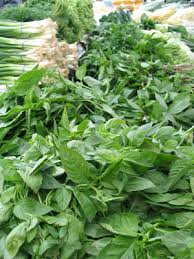
    Basil leaves (Ocimum basilicum).Image via Wikipedia

    Holy Basil (Ocimum sanctum)

    The juice of the holy basil leaves are applied locally on the affected regions. The ringworm subsides after continuous application for a few days.

    Keep cool, dry, and clean to avoid a ringworm infection. Yes, because it's a fungal infection, ringworm can be avoided by staying clean and dry. Don't wear heavy clothing that doesn't breathe well for very long, and whatever you do, don't forget to wear flip-flops in the shower if you live in a dormatory. Ringworm thrives in warm, humid places, so it's best to avoid them or at least protect yourself if you can't avoid them. Oh, and wash your hands!


    Reblog this post [with Zemanta]

    Wednesday, 28 October 2009

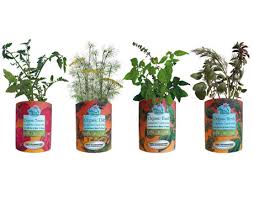
    It's Easy to Grow Herbs in Pots

    Mint leaves.

    An Interesting article on mint, one of the most used herbs worldwide. Not need to buy mint ever again if you take someof the tips given here.

    Herbs can also be grown indoors in pots or containers. They can also be grown in window boxes or hanging baskets. Growing herbs in pots is not anymore difficult then growing herbs in an outdoor garden. Indoor herb gardens need the same growing requirements that garden herbs need.

    All plants need three main things in order to grow successfully; sunlight, soil and water. Herbs are no exception. Sunlight is key to growing any type of plant including herbs whether they are grown indoors or in a garden.

    You should place herbs grown in a kitchen or other room in a south or west facing window to get the best kind of sunlight. Different types of herbs have different light requirements but, for the most part, all need a sunny location.

    Some home herb growers supplement the light source with "grow lamps" or fluorescent lamps. Herbs also need a well drained, not too rich soil to grow in. Add two parts of sterilized potting soil with one part coarse sand or perlite for herbs that are grown in containers.

    You will also need about an inch of gravel at the bottom of each pot to ensure that the plant has good drainage. Herb grown in pots indoors can also be supplemented with one teaspoon of lime per 5-inch pot to ensure that the soil is sweet enough for the herbs.

    Herbs grown in pots also need water. Misting the plants and moistening the pebbles will help to keep the herbs within humid conditions. Since they are being grown in containers they do need to have more water then herbs that are grown in a garden but, you should avoid getting the roots of the herbs drenched or soggy.

    An advantage to growing herbs in a container is that you have the freedom to move them about as you please. Annual herbs can spend all of their time indoors but, perennial herbs do better if they were to be placed outside during the summer.

    Although all herbs should be brought inside before the first frost in order to avoid the loss of foliage. This rule is over looked when it comes to mint, chives, and tarragon. These types of herbs will go into a rest period then form firmer and fresher growth after it is introduced to a light frost.

    All herbs can be grown in containers but some herbs do better then others. Mint is an herb that needs to be contained or it will take over the garden. Over all it is fairly easy to maintain an indoor herb garden. It keeps the herbs handy and within reach anytime you need them for cooking.

    With these tips listed above, you will be able to care for your herbs and ensure a healthy plant. You should also include periodic light feeding and yearly repotting for optimum health of the herbs. You will also have to remember to replant annuals each year and move perennials outdoors when needed.

    Plus, use your herbs as much as you want as well as harvest them occasionally. It is no secret that pruning plants encourages new growth. This rule also applies to herbs. So use them in your recipes, store them and give them away to friends.

    Author: Mary Eule Scarborough
    Mary E. Eule, BA, MS is a professional writer and researcher who been an avid container herb gardener for over 25 years. She is also the author of the comprehensive, step-by-step guide, "The Down to Earth Guide to Easy Container Herb Gardening," Visit her website: http://ContainerHerbGardening.com to purchase her e-book, download her free herb e-course or to get additional tips and articles on growing herbs in pots .
    Occupation: Author, Marketing Expert and Speaker
    Mary Eule Scarborough, an unassailable marketing expert and thought leader, helps businesses of all sizes get and keep more profitable customers. A former Fortune 500 marketing executive, she is also the founder of two successful small businesses, an award-winning speaker, certified Guerrilla Marketing coach and the co-author of two new books, "The Procrastinator’s Guide to Marketing” (Entrepreneur Press, November, 2007) and “Mastering Online Marketing" (January, 2008). She has a BA in Journalism/English from the University of Maryland and a master’s degree in marketing from The Johns Hopkins University. Log onto her website: www.StrategicMarketingAdvisors.com for free marketing articles, tools, tips and templates…or to learn more about her books and services.


    Reblog this post [with Zemanta]

    Sunday, 18 October 2009

    A Natural Remedy for Menopause - Herbs and Foods

    A Natural Remedy for Menopause - Herbs and Foods.

    It's dreaded by every woman beyond child-bearing years. Obviously there's no cure. Menopause is an entirely natural process, like going through puberty when a woman develops breasts and begins her menstruation. Just as puberty reveals that a young woman is able to have children, menopause signifies the end of that part of a woman's life cycle. Menopause is almost like puberty in reverse process.

    Menopause's arrival is made known it's by the slowing and eventual ending of menstruation. Other signs are diminishment of breast size and density, and the body's eradication of hormones linked with child bearing. It is accompanied by unpleasant symptoms such as vaginal dryness, hot flashes, insomnia, osteoporosis, night sweats, and erratic mood swings. Hormone replacement therapy, is often prescribed by gynecologists, however, the link of these medications to breast cancer is still the subject of debate.

    So it is no wonder that today more and more women are choosing a natural remedy to ease the symptoms of menopause. One hundred years ago, women used Lydia Pinkham pills, a combination of vitamins and herbal substances, to make menopause easier. Today, if you reject take hormone replacement options, and after discussing with your physician, you may wish to try a natural remedy for menopause.

    In traditional Indian medicine (Ayurveda), Shatavari is a particularly useful treatment as a natural menopause remedy for hot flashes. Since it is a natural diuretic, Ayurveda practitioners recommend that women who use it fortify potassium intake to avoid becoming dehydrated by drinking orange juice and eating bananas.

    Chinese natural healing uses an herb called Dong Quai to treat women's health issues such as menopause symptom, menstrual cramps, and premenstrual symptoms. Even though its effectiveness has not been confirmed by the FDA, many women find it helpful and recommend it to other menopausal women.

    Black Cohosh Root is a particularly popular natural menopause remedy. This herb was used in the original Lydia Pinkham tablets during the turn of the century. It's a general tonic for menopause, relieving hot flashes, irritability, headaches, vaginal dryness and insomnia. It has few, if any, side effects and is tolerated well by most.

    Two important cautions about Black Cohosh Root: it should not be confused with Blue Cohosh, a potentially harmful root that has no relation to Black Cohosh. Herbalists recommend that Black Cohosh Root be taken continuously for only six months.

    Another favorite natural menopause remedy is Soy Isoflavones. This is a substance derived from soy beans and their by-products tofu and soy milk. Soy acts like a mild natural form of estrogen. It is found particularly useful by women who choose not to use prescription hormone replacement. Herbalists recommend eating soy-containing food rather than taking soy pills or capsules. Soy Isoflavones should not be used if you have a history of breast cancer.

    Like Black Cohosh Root, Red Clover is a favorite herb for natural menopause remedy. Red Clover is particularly helpful for easing hot flashes. It may also lower cholesterol levels in post-menopausal women. As a mild form of estrogen, it should not be used by women who have a history or are at risk for breast cancer. Nor should it be combined with blood-thinning medications like Warfarin.

    Lastly, gaining ground as natural menopause remedies are alfalfa leaves and seeds. Further research is needed on these plants, but it's been established that alfalfa has an effect on the body similar to estrogen. Those with diabetes or an autoimmune disease such as fibromyalgia or lupus should avoid using alfalfa.

    Natural menopause remedies are generally safe and non-toxic if used correctly and with the precautions noted. They are available in many major supermarkets, in natural health and food stores, and of course, on-line.

    Was the information in this article helpful to you? For more in depth information on menopause natural remedies, subscribe to this free newsletter, or download this report.


    Reblog this post [with Zemanta]

    Thursday, 8 October 2009

    Can I Eat Sprouting Garlic?

    The Phenomenon of Sprouting Garlic

    Many of us like to cook, and eating garlic seems to go hand in hand with healthy living. Unless you buy it in small quantities at the farmer’s market every week, you end up getting several cloves all at once. If you don’t use it for a little while, or if it’s old when you purchase it, then you’ll eventually begin to see green shoots sprouting out of the tops of some of the cloves. So what does sprouting garlic mean?

    What to Make of Sprouting Garlic

    Sprouts tend to be good for you to eat – alfalfa sprouts, bean sprouts and onion sprouts all have plenty of health benefits. But what about garlic? Most people tend to follow the direction of either culture or parenting when it comes to this subject. Namely, either their culture has dictated that some dishes work well with the sprouted garlic, or else you saw your mother picking the garlic sprout out before using the clove, and made your decision that way.

    Is Sprouting Garlic Safe to Eat?

    Some may have heard that it is unwise or unsafe to eat garlic that has begun sprouting. A bit of investigating around cooking chat rooms will show the casually interested that plenty of people have eaten it and despite the bitterness of the taste, they’ve lived to talk about it.

    In my kitchen, if there is only a small amount of the green shoot growing from the garlic clove, I remove it and use the garlic like always. If the sprout is larger, or if there are blemishes in the clove, darkening, squishiness or a funky smell (beyond the normal one), then I dispose of it altogether.

    Some cooks say that the sprout in the garlic clove is indigestible, and that you should remove it before using the garlic. This is easy to do. Using a paring knife, you simply cut the clove in half length-wise, and remove the shoot from the center of both sides. Some cultures around the globe use the garlic sprout in dishes, so aside from the bitterness, consider giving it a taste and decide for yourself.

    If you are going to boil the garlic, then you can probably leave the sprout in tact. The process of boiling the cloves will remove the bitter taste.

    What Else Can I Do With Garlic That Has Sprouted?

    It never hurts to try planting the sprouting cloves, in the ground or in a pot so the green tips are just a little below the soil line. After a while, you should end up with new bulbs to use, provided you properly look after them. You can roast the entire head of garlic and make a spread, or peel and mash the cloves, freezing them for later. Or consider using the green garlic sprouts in a recipe, perhaps a stir fry with other vegetables.

    Find more excellent tips on eating healthy, the environment and green living at the green blog: Green Eggs and Planet

    Author: Matty Byloos
    Occupation:
    SEO Marketing Project Manager
    Matty Byloos attended Santa Clara University where he received a B.A. in English. He later attended the Art Center College of Design in Pasadena where he received an MFA in Painting. After teaching city college English classes for over five years, he took a position as a Project Manager and Editor for the Search Engine Marketing company called CKMG in Santa Monica, California. He exhibits his paintings with SandroniRey Gallery in Culver City and Toomey-Tourell Gallery in San Francisco.


    Reblog this post [with Zemanta]

    Sunday, 27 September 2009

    Golden Seal Root - Side Effects and Benefits

    Hydrastis canadensis

    Botanical Name of Golden Seal: Hydrastis Canadensis

    Other Common Names: Goldenseal, eyebalm, ground raspberry, orangeroot, yellowroot, yellow puccoon, Indian dye, eye root, Jaundice root.

    Habitat: Golden Seal is a plant found in the Northeastern United States in shady woodland areas at the edges of forests in rich, moist soil. This plant prefers slightly acidic soils and will prosper in partial sun, or even shaded areas.

    Description:
    Golden seal is a small perennial herb. The woody, yellowish rhizome gives rise to a single hairy, stem and top with two 5-9 lobed leaves which terminate in a single greenish-white flower. It grows to a height of about 30 centimeters. The knotty, yellowish-brown rhizome is roughly 5 centimeters long and 1 centimeter thick with an abundance of rootlets. It has a strong odor and bitter taste. The golden seal does produce a fruit, similar to the raspberry in appearance, but it is not edible.

    Plant Parts Used:
    The root of this plant is used in medicinal and herbal uses.

    Therapeutic Uses, Benefits and Claims of The Golen Seal Root

    • Golden seal is used as a treatment, especially in combination with echinacea, for some respiratory complaints such as stuffy noses, sinus problems, and symptoms of the common cold.
    • It is also used, in combination with other herbs, to cleanse the body of toxins and help purify the kidneys and urinary tract.
    • It is gaining popularity as an anti-diabetic treatment as well. It has been shown to increase insulin production and, through separate pathways, lower blood sugar levels. This use must be monitored closely due to golden seal’s tendency to raise blood pressure, which is a common complication of diabetes.
    • Golden seal is also effective for treating skin irritations such as acne, rashes, fungus and bacteria. It is also effective for mouth ulcers and other irritations to the mucous membranes of the mouth.
    • Due to its effects on blood vessel tone it has been used to control the bleeding of excessive menstruation and other internal bleeds. This increase in tone also leads to its use to stop persistent external bleeds as well.

    Potential Side Effects of Golden Seal

    Golden seal use can cause emotional changes and nausea. It may also cause a rise in blood pressure and has been shown in some cases to lower blood sugar levels. Due to its uterine contracting abilities it is not recommended for use during pregnancy. Golden seal may irritate the structures of the gastrointestinal tract, especially in those who already have GI disorders. Topical use may cause the skin in the affected areas to become more sensitive to sunlight.

    Golden seal may cause an increase in the sedative effect of other herbs or drugs used for sedation. It may also interfere with drugs used to lower blood pressure. Those on blood sugar control medications should monitor their levels closely while taking goldenseal. It may also counter the effects of drugs used to prevent acid reflux or chronic gastric acid issues.

    Dosage and Administration

    Golden seal can be found in oral forms such as tablets or capsules. These capsules should be taken according to manufacturers suggested dosing. Golden seal may also be found in a powdered form that can be used to make a mouthwash or skin wash as well. Mixing 2 teaspoons of dried golden seal root and 5 ounces of boiling water for 10 minutes will yield a good mouthwash or skin wash. This may be used up to 4 times a day.

    Author: Alien
    Alien writes for Natural herbs . He also writes for herbs and asthma home remedies
    Reblog this post [with Zemanta]

    Tuesday, 22 September 2009

    Herbs For Hair Growth

    A three month old Henna (Lawsonia inermis) plant.

    Hair is made up of a protein called keratin. The hair that we see and care so much about is actually nothing but dead cells. The part that is living is below the scalp and is called the follicle. Near the follicle are the sebaceous glands that make the hair look vibrant and shiny. These sebaceous glands make the hair look oily or dry depending on the sebum production.

    The following are the uses of herbs for hair growth:

    The first positive thing about using herbs for hair growth is that there are no side effects associated with them like the drugs that are available in the market. If you have Lifeless hair, it can be made better with massage with good herbal oil.

    •  Applying henna to hair deep conditions it. Henna is a very traditional and widely used treatment for hair growth. This herb is available in tropics. Henna is also used as a natural dye. Henna is mixed with other herbs like gooseberry, coffee and lemon juice. This mixture is a very good cure for hair fall.
    •  Massage your hair with warm oil. Take a fresh green coconut and massage some warm coconut milk into the hair. Keep this on for an hour and a half. This will make the hair soft and healthy.
    •  Use Aloe Vera gel on the hair once in a week and wash your hair.
    •  Hair loss is usually due to infection that harms the follicle. You can get rid of this infection by the use of the water on the hair with Neem leaves that have been boiled for 5 minutes. Neem is considered as a natural disinfectant and doesn't damage the hair shaft. It is also known to cure dandruff, which is also one of the reasons for hair loss.
    •  Honey mixed with warm oil and a teaspoonful of cinnamon powder has to be rubbed into the scalp. This should be left on the scalp for around 15 minutes. This helps in hair growth and helps in keeping the hair soft and shiny.
    •  Crushed olive leaves mixed with vinegar should be applied on the hair. This a great remedy for hair loss.
    •  A paste made of honey and egg yolk is also used for hair growth. To counter the smell caused by egg can be countered by rinsing the hair with lemon juice
    Doctors recommend diets rich in nutrients that boost the growth of hair. If your want to stop hair loss you should include lots of 'Vitamin A' rich diet. Eat green leafy vegetables like spinach, milk, sprouted beans and salads. Increase the intake of Protein rich diet and you will naturally healthy hairs which promote hair growth.

    Good hair adds beauty to your personality and it is only a healthy body that can be capped with beautiful hair. Eating nutritious diet and protein rich diets that are healthy to your health will add starts to your crowning glory.


    Reblog this post [with Zemanta]

    Total Pageviews